Do you need a car in Crete, or can buses, taxis and boats carry the whole holiday? For villa guests the answer depends almost entirely on where the villa sits. This article gives a straight answer for each type of location, compares the weekly cost of driving against going without, and lists the situations where skipping the car works well. By the end you will know exactly which camp your trip falls into.
Quick Summary
Do you need a car in Crete? For most villa holidays, yes: the island is around 260 km long, public transport is bus-only and concentrated on the north coast, and many villas sit outside town centres by design. You can skip the car if your villa is walkable to a bus-served resort town such as Hersonissos, if your plans centre on one area, and if you are happy using taxis, tours and boats for the exceptions. Renting typically costs 40 to 80 euros per day in summer; a week of taxis and tours for two can cost as much, without the freedom. The deciding factor is not the island. It is the villa's location.
So, Do You Need a Car in Crete?
Picture two arrivals on the same July afternoon. One family lands at Heraklion Airport, picks up a booked car and is unpacking at a countryside villa forty minutes later, with a supermarket run already done. Another couple takes a transfer to a villa a short walk from the Hersonissos seafront, and they will not sit behind a wheel all week. Both trips work. Both are villa holidays in Crete. The difference is that each villa location comes with its own correct answer to the car question.
Here is the honest version of that answer. If your villa is rural, hillside or secluded, you need a car, full stop. Buses do not reach farm tracks, and a taxi for every loaf of bread wears thin by day three. If your villa sits in or beside a north coast town on the Chania, Rethymno, Heraklion or Agios Nikolaos corridors, you can go carless in comfort, provided you accept that your radius shrinks. Between those poles sits a large middle group of trips that do best with a car for part of the stay: two or three rental days for exploring, local transport for the rest.
Season tilts the scales too. In July and August every option runs at full frequency, which flatters the carless plan. In spring, autumn and winter, bus timetables thin, boat schedules shrink and some village routes pause altogether, so the further your dates sit from midsummer, the stronger the case for having your own wheels.
The rest of this article helps you place your own trip in one of those three camps before you book anything. For the full picture of buses, ferries, taxis and transfers, see our guide to getting around Crete.
When You Can Skip the Car
Your villa is walkable to a real town
The strongest carless case is a villa within strolling distance of a town with a bus station and an evening to enjoy. Around Hersonissos, Anissaras and Kokkini Hani, the old national road carries regular buses west into Heraklion and east toward Agios Nikolaos, and tavernas, bakeries and supermarkets sit within walking range. City buses in Heraklion even connect the airport, the centre and Knossos, so the island's headline archaeological site needs no car at all.
Your week has one centre of gravity
If the plan is pool, beach, taverna, repeat, with one or two organised days out, transport barely features. Boat trips to Spinalonga leave from Elounda and Agios Nikolaos all day in season. Guided tours collect from the north coast resorts for Balos, Elafonisi and the Samaria Gorge, which conveniently covers the three big trips that are longest and most tiring to drive yourself.
Add the beach on your doorstep and a couple of taxi evenings in the nearest town, and a very good week takes shape with no driving at all. The test is simple: write down the five outings you care about most. If four of them collect you from the resort, the car is optional.
You actively prefer not to drive abroad
Some travellers holiday better without a car, and Crete can accommodate that preference gracefully. KTEL intercity buses are inexpensive, air-conditioned and reliable on the main line, with sample fares of 7.80 euros between Chania and Rethymno and 17.60 euros from Chania to Heraklion. Town taxis cost 5 to 10 euros a ride. The formula is a walkable villa plus buses for towns, boats for islands and tours for the far west. What that formula quietly gives up is the mountain interior, and it is only fair to know that in advance.
When a Car Is the Right Call
Countryside, hillside and secluded villas
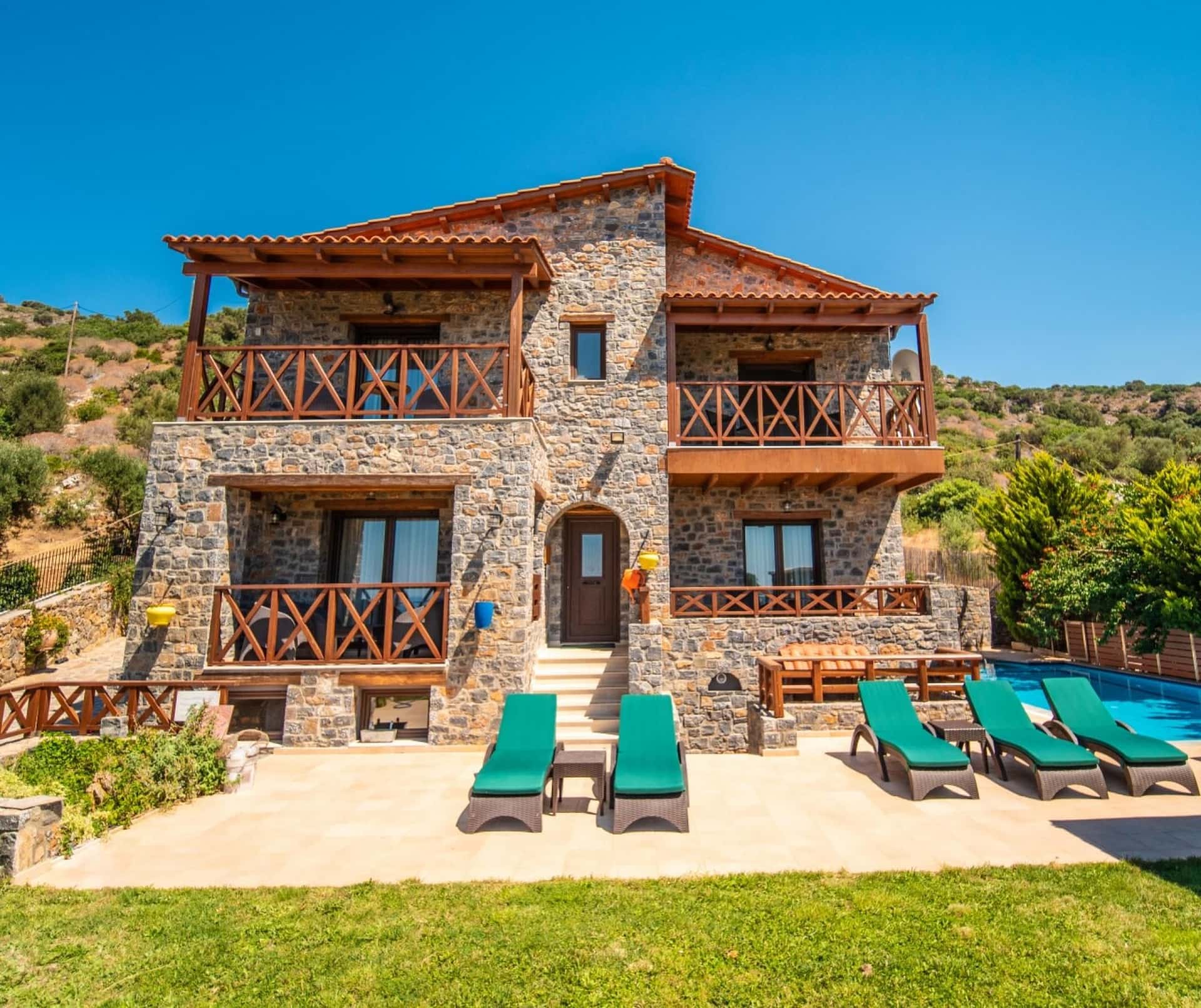
The entire point of a rural villa is the setting: vineyard views around Kato Archanes, olive groves inland from Milatos, quiet coves near Ligaria that tour buses pass by. None of these run on timetables. Groceries, beach swaps, a taverna two villages over, a bakery run before the pool: with a car each is a five-minute thought, without one each is a negotiation. If the villa listing mentions privacy, hillside, countryside or panoramic anything, budget for the car alongside the booking. Our guide to secluded villas in Crete covers what that setting actually asks of you.
You want the island, not just the address
Crete rewards restlessness. The Lasithi Plateau with its windmills, the palm beach at Preveli, mountain villages where lunch outlasts the afternoon, the wine country south of Heraklion: the best of the island scatters far beyond bus stops. Drivers also win the early mornings, arriving at Knossos or Elafonisi before the crowds, which no bus timetable allows.
Families and groups
Car seats, beach kit, a buggy, six people's luggage: logistics settle the question for most families and groups before scenery gets a vote. One practical pattern for larger parties is a single rented car plus pre-booked transfers for the rest of the group on arrival and departure days. Groups should also ask about villa parking; most rural properties have space for two or more cars, but it is worth confirming when two vehicles are coming.
What It Costs: Driving vs Going Without
Numbers make the decision easier, so take a realistic week for two in summer. A compact rental car runs 40 to 80 euros per day booked ahead, so call a fair week around 300 to 450 euros plus fuel. One documented twelve-day rental with full insurance came to 496 euros, about 41 euros per day, which is a sensible benchmark for early bookers.
Now the carless column for the same week: an airport transfer each way at roughly 20 to 30 euros per run for nearby resorts, two guided day tours for two people, a boat day, a handful of bus fares at a few euros each and, say, five taxi evenings at 5 to 10 euros a ride. Depending on the tours chosen, that column lands in the same range as the rental, sometimes higher. The car does not usually lose on price. It wins or loses on whether you want to drive, and on whether your villa's location makes driving a convenience or a necessity.
Two small numbers people forget: parking and shopping. Parking at the villa is free and simple almost everywhere outside the town centres, unlike much of Europe, so the rental works harder here than it would on a city break. And a weekly supermarket run for a villa kitchen is a car-boot job, not a bus errand. Self-catering is one of the quiet financial wins of villa life, and the car is what unlocks it.
One warning for the rental column: book early. High-season demand outstrips supply, walk-up prices are punishing, and automatics disappear first. Licences from the UK, the United States, Canada, Australia, Japan and South Korea are valid on their own for stays up to six months; other non-EU licences need an International Driving Permit, and rental desks here often ask for one regardless.
Villas near walkable towns and villas built for drivers each have their own shortlist: resort areas on the bus line for one, countryside houses for the other.
Stay nearby
Stay in a private villa
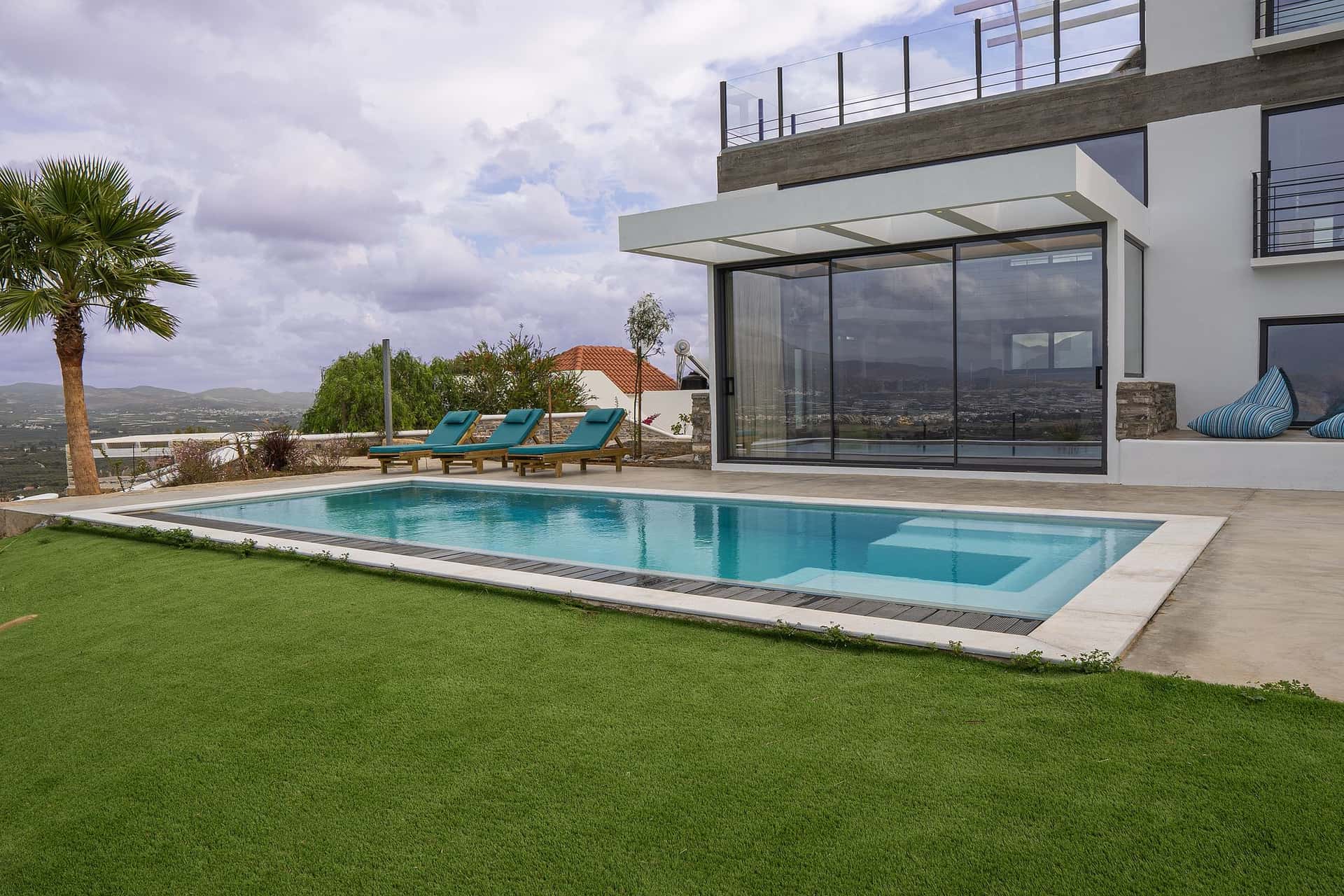
View all villas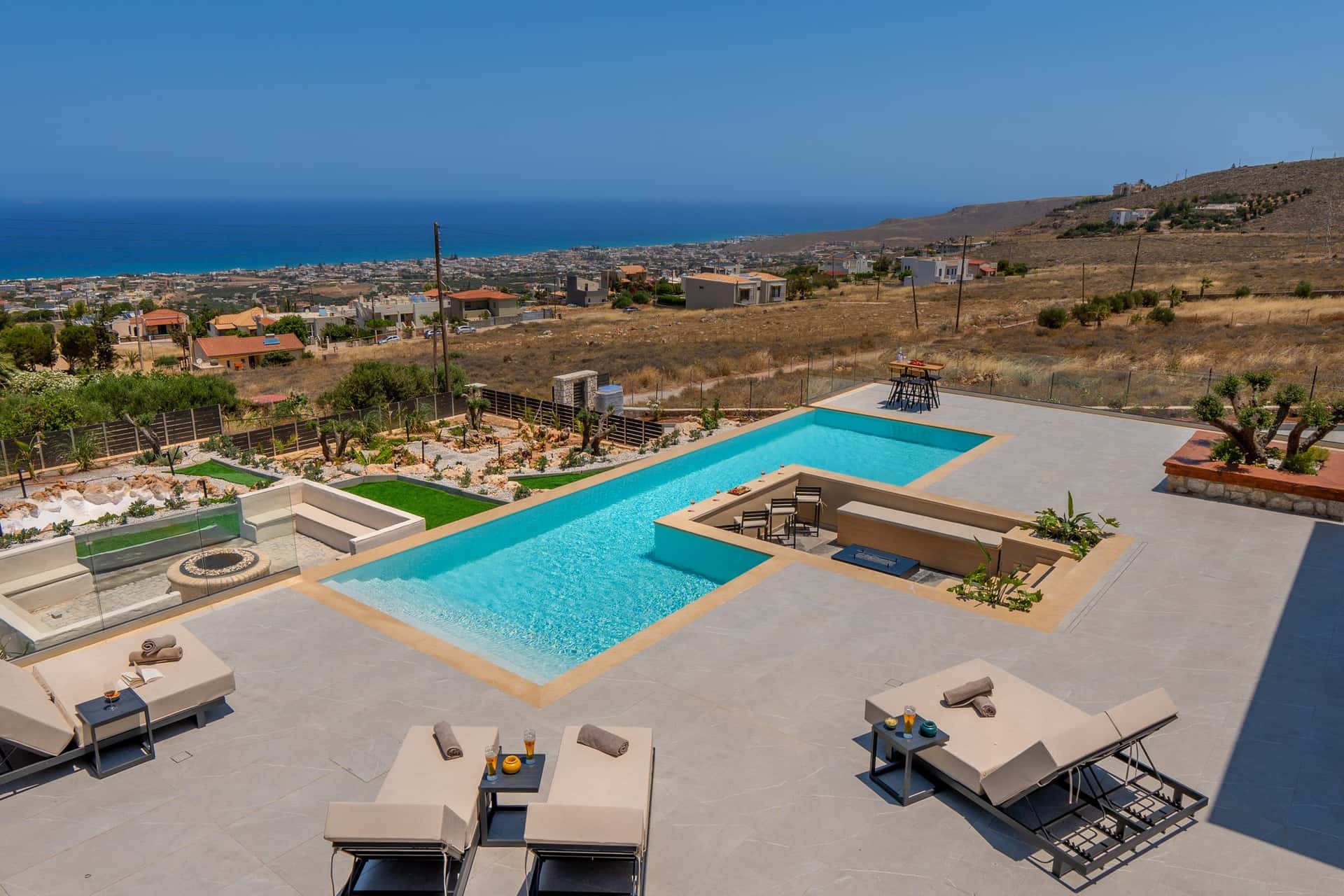
Driving in Crete: What to Expect
If you do rent, Crete asks for respect rather than fear. The north coast highway between Kissamos, Chania, Rethymno, Heraklion and Agios Nikolaos is quick and well maintained. Off it, roads narrow, wind and climb; the stretch beyond Agios Nikolaos toward Sitia bends steeply, and southern mountain routes fold into hairpins that make passengers grateful for travel sickness tablets. Rural signage is thin, so download offline maps and save the villa's exact pin.
A few local habits help. Slower cars ride the hard shoulder on the highway to let others pass; goats have right of way in practice if not in law; night driving on unlit village roads is best kept short; and most fuel stations shut on Sundays, with an unpredictable rota keeping one open per area, so fill up on Saturday. Fuel itself is simple: many stations are attended rather than self-service, cards are accepted on the main roads, and a compact car sips rather than gulps at Cretan distances. None of this is difficult. Thousands of villa guests drive the island every week and the overwhelming majority would do it again.
How Your Villa Region Tilts the Answer
Region changes the calculus, so run the question against the map. Around Chania, a town-adjacent villa can lean on the bus hub and gorge connections, while anything toward the west coast beaches pulls hard toward a car. Rethymno splits the same way: coastal town villas are carless-friendly, while the hill villages south of town are pure driving country. In the Heraklion region the resort strip from Kokkini Hani through Hersonissos is the island's best carless base, and the inland wine villages are its clearest car case. In Lasithi, Agios Nikolaos and Elounda support a boat-and-bus week beautifully, but the quieter northeast around Milatos and the plateau above it belong to drivers.
Notice the pattern: in every region the town villas free you from the car and the countryside villas assume it. The island does not decide for you. The address does.
If you are torn between two villas in different camps, let the transport answer break the tie. The week you actually want to live, carless or behind the wheel, is a more reliable guide than any photograph.
Common Mistakes to Avoid
The mistake behind most transport regrets is booking the villa and the transport plan separately: a secluded hilltop villa paired with a no-car principle, or a walkable town villa paired with an unused week-long rental. Decide them together.
Three smaller errors follow close behind. Treating taxis as a touring tool, when a single Heraklion to Chania ride can cost more than 130 euros, several days of rental money. Assuming daily buses reach south coast villages, when some see one service a day and Loutro and Agia Roumeli have no road at all, only ferries, from about 11 euros for the short Sfakia to Loutro hop up to around 35 euros for the longest legs. And renting on arrival in August instead of weeks ahead, which is the most expensive way to get the least suitable car on the lot.
Where to Stay
Answer the car question first and the villa search sharpens instantly. Carless travellers should filter for walking distance to a real town on the north coast bus line and read the listed distances to beach, town and airport as the deciding numbers. Drivers can ignore those filters and choose on character: a stone villa in the vines, a sea-view terrace above a quiet cove, a family layout with a fenced pool and parking for two cars. Either way, look for listings that state those practical details plainly; that transparency is usually a good sign of how the rest of the stay is run.
Groups have one extra check: confirm that parking spaces match the number of cars, and ask whether the lane to the villa suits a larger vehicle. Hosts field these questions daily and would far rather answer them before arrival than after.
Match your answer to a shortlist: walkable villas for the carless week, countryside retreats for the drivers, and a curated experience from Travel & Do for the day everyone takes off.
Stay nearby
Stay in a private villa
View all villas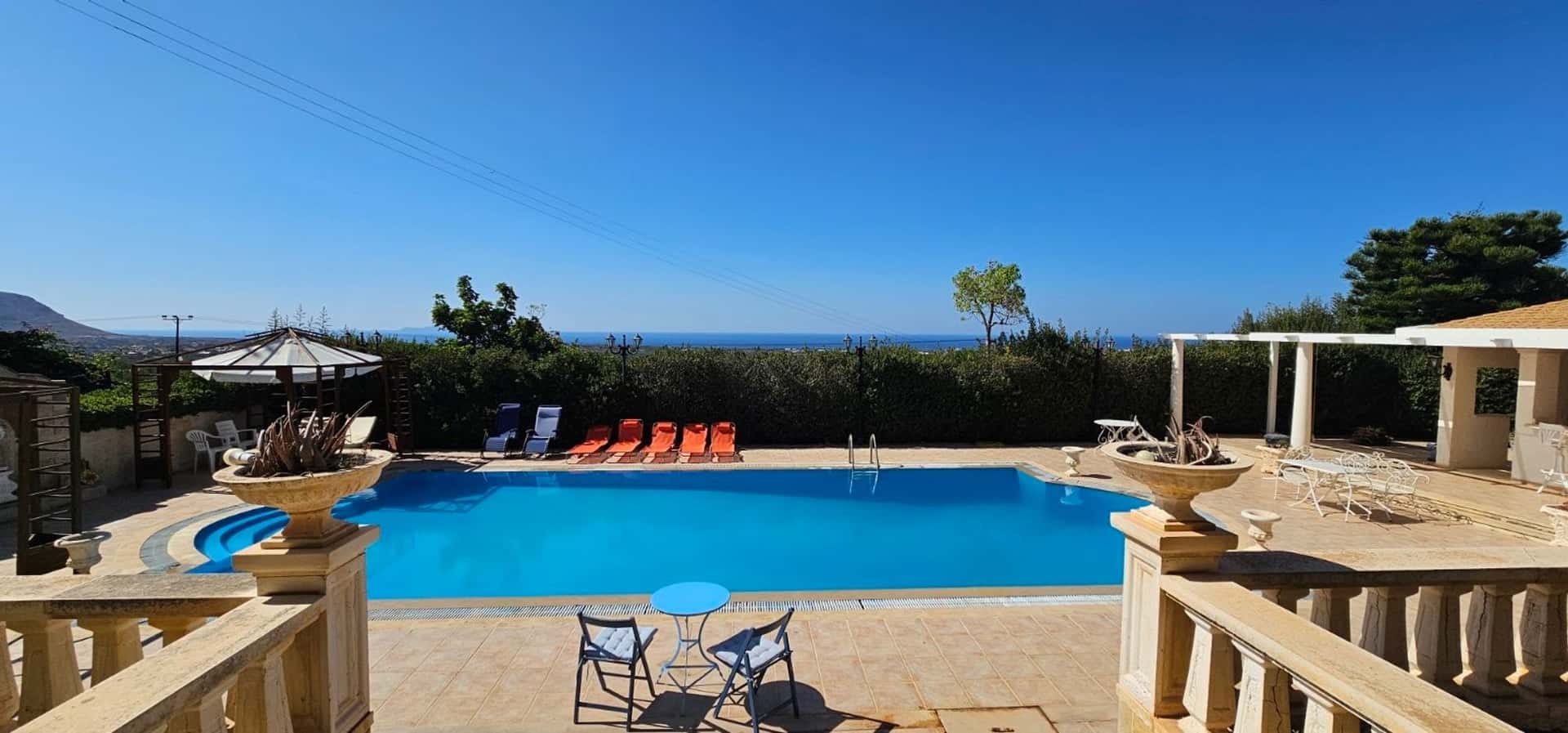
Final Thoughts
So, do you need a car in Crete? If the villa is rural: yes, and happily so, because driving is how the island gives you its best. If the villa is in or beside a bus-served town: no, provided your ambitions match your radius. If you are somewhere between: rent for two or three days in the middle of the week and let the rest of the holiday idle at pool speed.
Whichever camp you fall into, make the call before you book the villa, not after. In Crete, the address answers the car question, and choosing both together is the whole trick.