A week in Crete is never quite long enough, but it is long enough to understand the island's rhythm. Resisting the urge to chase every beach and every ruin across four hundred kilometres of coastline is the hardest part. Crete rewards those who linger, and a well-chosen itinerary built around a handful of bases reveals that rather quickly.
Day One: Heraklion
Most people arrive into Heraklion, and this is no hardship. The capital tends to be underestimated, treated as a gateway to be passed through on the way to somewhere prettier. But give it a proper first day and it earns its place. The Archaeological Museum on Xanthoudidou Street holds what is arguably the finest collection of Minoan artefacts in the world: the Phaistos Disc, the bull's head rhyton, the frescoes from Knossos and other Cretan Minoan sites arranged with unhurried intelligence. A morning here sets the tone for everything that follows on the island. In the afternoon, the old harbour, the Koules fortress at its entrance, and the market street of 1866 offer a different kind of depth: mercantile, layered, lived-in. Spend that first evening in the city rather than rushing on.
Day Two: Knossos and Wine Country
The second day belongs to Knossos and the vine country that spreads south of Heraklion towards the foothills of Mount Ida. Knossos itself is only about five kilometres from the city centre and is best reached early, before the coaches arrive. Whatever one thinks of Sir Arthur Evans's somewhat imaginative reconstructions, walking the palace complex with some knowledge of Minoan culture, freshly acquired at the museum the previous day, is an affecting experience. The scale is surprising; the sophistication of the drainage and light-well systems even more so. From Knossos, head south into the Heraklion wine country: the villages of Peza, Archanes and Dafnes sit in a landscape of low rolling hills, old stone houses and vines that have been cultivated here for thousands of years. This is where Cretan viticulture has its heartland, built on indigenous varieties such as Vidiano and Kotsifali that taste of nowhere else. A slow lunch and a wander through one of these villages is worth more than a second archaeological site.
Day Three: Agios Nikolaos and Spinalonga
On the third morning, turn east. The road from Heraklion towards Agios Nikolaos passes through landscapes that shift considerably, the Gulf of Mirabello eventually opening up to the right in a way that makes most passengers fall silent. Agios Nikolaos itself is a handsome town built around a small interior lake connected to the sea by a narrow channel, and it repays an hour or two of wandering even if you are using Elounda, a little further north, as your base for the region. The reason most people come east, of course, is Spinalonga: the islet in the Gulf of Mirabello that served as one of Europe's last active leprosy colonies until 1957. The crossing from the nearest embarkation point is short, typically a matter of minutes, but the place carries a particular weight, its Venetian fortifications and abandoned streets quietly insisting on being taken seriously. Victoria Hislop's novel brought many visitors here in the years after its publication, though the island itself needs no literary endorsement. It is one of the more haunting places in Greece.
Day Four: A Beach Day
By the fourth day, a slower pace begins to feel welcome and necessary. This is a good morning to find a beach and do very little. The east of Crete has several that suit the purpose well: Voulisma near Istron, the long arc of sand at Almyros near Agios Nikolaos, or, if you are willing to drive a little further, the celebrated stretch at Vai with its grove of Cretan date palms, the largest natural palm forest in Europe and an unusual sight. The point of a beach day mid-itinerary is not idleness for its own sake but recalibration. Crete at its best is not a succession of ticked attractions; it is an accumulation of texture: the quality of light on limestone, the smell of thyme and sage when the car window is open on a hill road, an unplanned conversation over a glass of raki. A day without an agenda tends to produce all three.
Day Five: West to Rethymno
The fifth day calls for movement westward. The coastal road back through Heraklion and on towards Rethymno passes the beaches of the northern shore, most of them broad and family-friendly, backed in places by the low-rise development that characterises much of the north coast. Rethymno's old town, when you reach it in the early afternoon, is a genuine pleasure: a compact Venetian and Ottoman palimpsest of arched doorways, surviving minarets, and narrow lanes where cats outnumber tourists in the off-season. The Fortezza, the great Venetian citadel on the headland above the town, is large enough to spend an hour exploring without feeling hurried. The old harbour in the evening, when the light turns amber on the lighthouse and the air cools enough to make sitting outside comfortable, is one of those scenes that tends to appear, accurately, on the covers of Greek travel magazines.
Day Six: A Day in Chania
Chania deserves a full day, which means an early start on the sixth morning. The drive west from Rethymno along the northern coastal road typically takes around an hour, and Chania announces itself from a distance as something slightly grander in ambition than what came before. The Venetian harbour, with the lighthouse, the domed mosque on the quayside, the arsenali, and the narrow streets of the Splantzia and Topanas neighbourhoods behind, is the most photographed scene in Crete, and it has earned that status honestly. Beyond the harbour, the covered market on Odos Skoufon is a working municipal market rather than a tourist curio, and the stalls of fresh herbs, honey, olive oil and charcuterie give a better sense of how Cretans actually eat than any number of taverna menus. The archaeological museum in the converted Venetian church of San Francesco holds Minoan finds from the western prefecture that complement what was on view in Heraklion at the start of the week.
Day Seven: Balos or Elafonisi
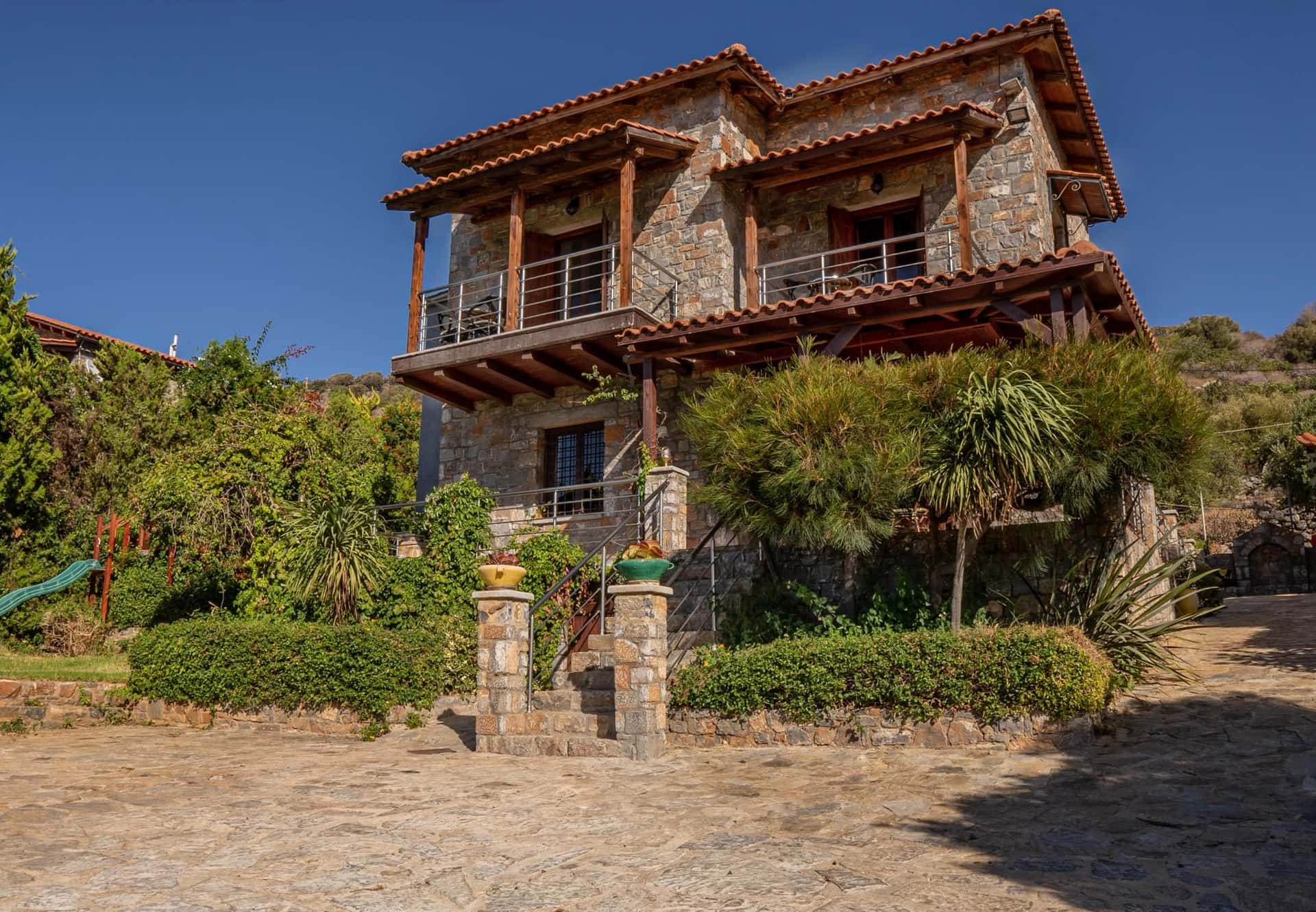
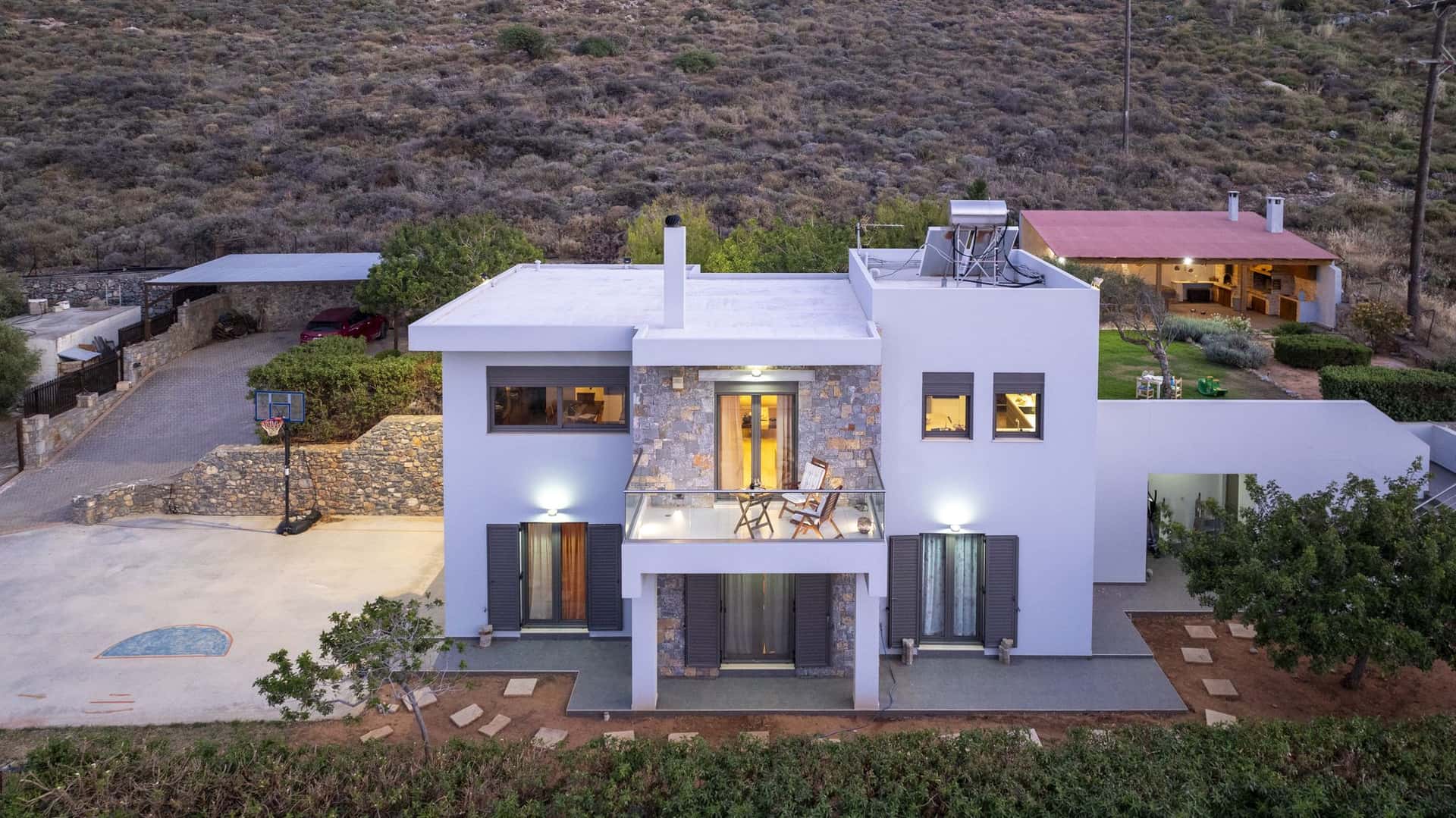
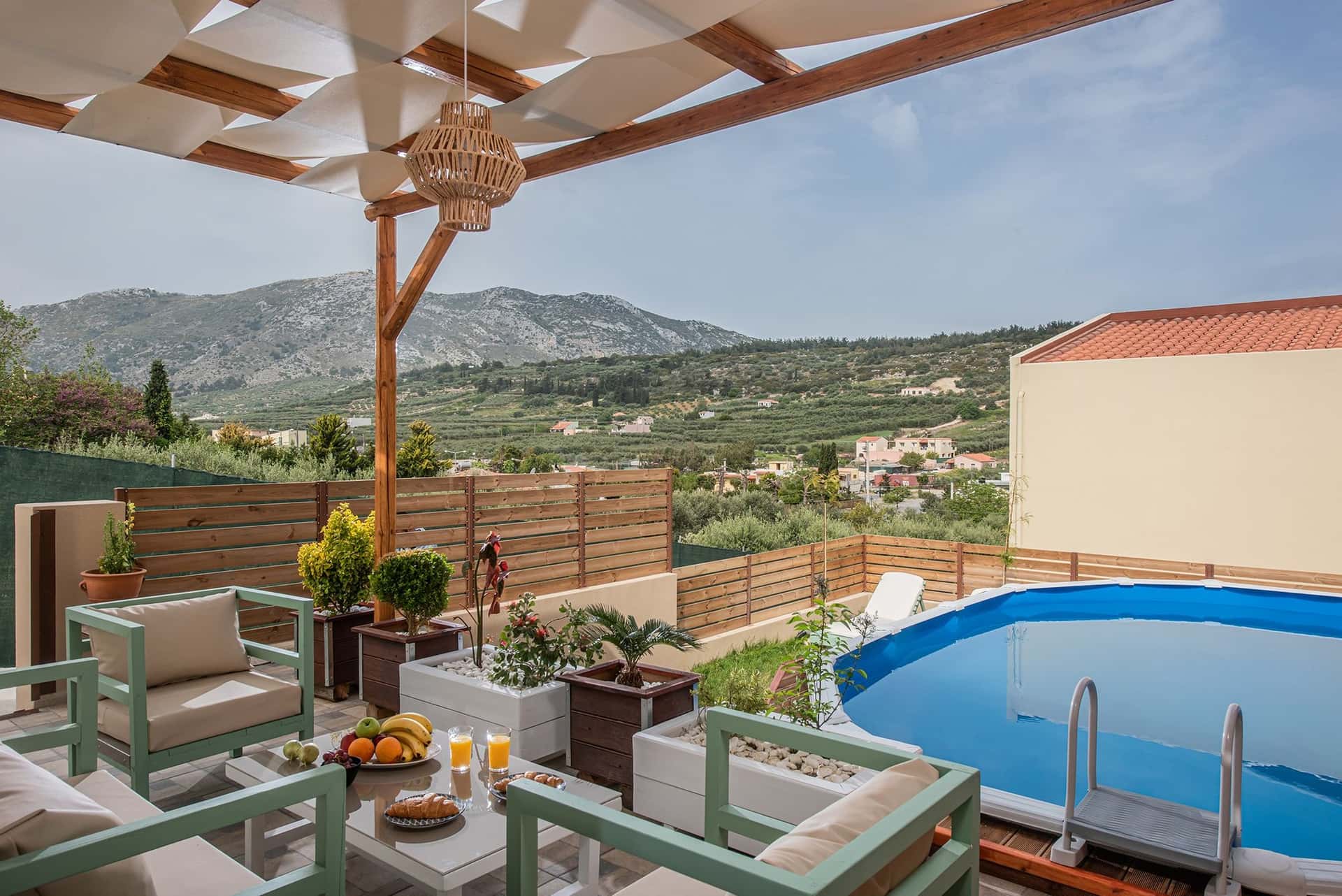
A final day on the western tip of Crete is the natural conclusion to the week, and the choice between Balos and Elafonisi is largely one of temperament. Balos, at the tip of the Gramvousa Peninsula, is typically reached either by seasonal boat service from the direction of Kissamos or by a rough track, conditions permitting, that descends to a car park before a further walk down to the lagoon itself. The water in the lagoon is shallow and an improbable shade of turquoise, the sand pale and fine, the setting theatrical in the way of landscapes that look like fabrications until you are standing in them. Elafonisi, in the far south-west, has a similarly exotic quality: a tidal islet separated from the coast by a shallow crossing, with pink-tinged sand produced by crushed shells, and a reputation as one of the most beautiful beaches in the Mediterranean that is, in most seasons, entirely justified. Either makes a fitting end to the week before the drive back east to Heraklion for the flight home. The island has a way of making that return journey feel like a mild injustice, which is perhaps the surest sign that a week was the right amount of time to have spent, and that the next visit is already being quietly planned. A private villa, whether in the vine country south of Heraklion, above the Gulf of Mirabello, on the outskirts of Rethymno, or in the hills behind Chania, makes the kind of unhurried week described here possible and deeply comfortable: somewhere to return to each evening with dusty shoes and a full day behind you, without a reception desk in sight.
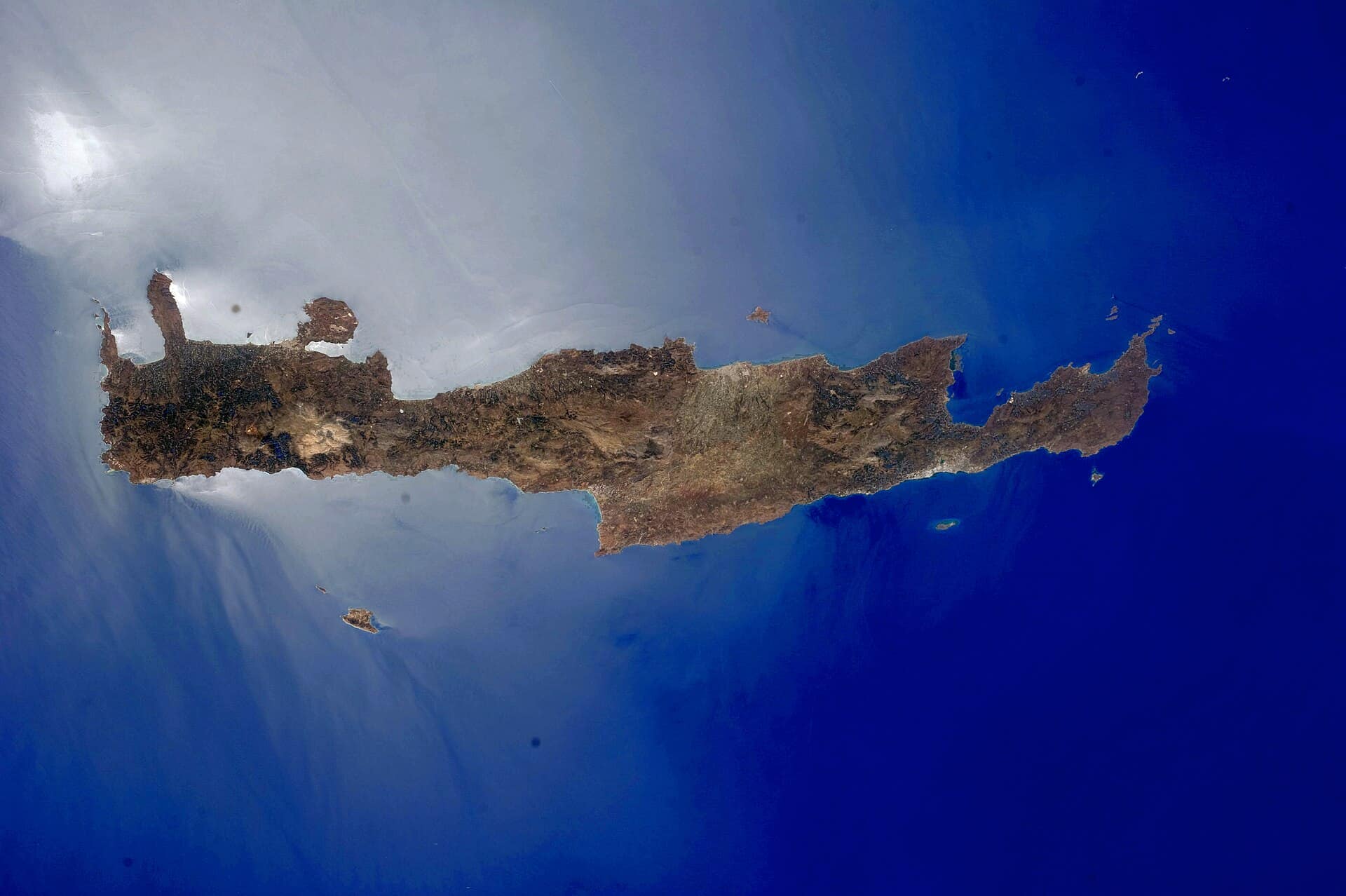
Hero image: ISS Expedition 28 crew, NASA, public domain, via Wikimedia Commons